
Asian Games Quarterfinal: Japan Scored 12, Kept Clean Sheets, and the Worry Sits on the Last Line
**Câu trả lời cốt lõi:** Nhật Bản vào tứ kết bóng đá nam Asian Games với 12 bàn thắng và 0 bàn thua ở vòng bảng. Đội trưởng Rion Ichihara (AZ Alkmaar) cảnh báo toàn đội về nguy cơ bị khiêu khích và thừa nhận có vấn đề nhẹ ở bàn chân. Triều Tiên được đánh giá mạnh về bóng chết và phản công. **Dữ kiện chính:** - Nhật Bản ghi 12 bàn, giữ sạch lưới sau vòng bảng bóng đá nam Asian Games. - Đội trưởng Rion Ichihara khoác áo AZ Alkmaar, tự nhận là chốt chặn tuyến cuối. - Ichihara nói bàn chân có cảm giác bong gân nhẹ nhưng khẳng định đủ khả năng ra sân. - Triều Tiên được mô tả tập trung cho bóng chết và phản công, chủ trương nhắm tới một cú sút. - Nhật Bản ưu tiên giải quyết trận đấu trong 90 phút để tránh loạt luân lưu. **Nguồn:** FOOTBALL ZONE (Nhật Bản), bài tiền trận vòng tứ kết Asian Games; bản gốc không nêu ngày công bố | Cross-checked: VuaBong.vn **Hỏi đáp liên quan:** - Hỏi: Nhật Bản có bàn thua nào ở vòng bảng Asian Games không? Đáp: Không, đội giữ sạch lưới cả ba trận và ghi tổng cộng 12 bàn. - Hỏi: Vì sao đội trưởng Nhật Bản lo ngại bị khiêu khích? Đáp: Lịch sử cặp đấu này từng có pha đánh nguội và hành vi sai trái hướng vào nhân viên. - Hỏi: Rủi ro lớn nhất của Nhật Bản trước Triều Tiên là gì? Đáp: Phòng ngự bóng chết và phản công, cộng thêm thể trạng chưa được xác nhận của đội trưởng.
In three group-stage matches at the Asian Games men's football tournament, Japan scored 12 goals and conceded none. Yet the pre-quarterfinal press conference circled a topic with nothing to do with the attack: how not to be provoked. Captain Rion Ichihara, a centre-back on the books of AZ Alkmaar, repeated almost verbatim one message — do not get dragged in, keep a clear head. He also admitted his foot felt like a mild sprain, then immediately reassured everyone he could play.
The mismatch is telling. A side averaging four goals a game and yet to pick the ball out of its own net spent most of its media time talking about discipline, contact and set pieces. When the strongest team in the group prepares hardest for the worst case, it usually signals a match far harder than the table suggests.
A low-information opponent
The quarterfinal is single elimination; lose and you go home. On the other side sits North Korea, described by Japanese media itself as eerie and hard to read. Analysts class such opponents as high risk not because they are stronger, but because far less is known about them. No full footage, no domestic league data, no standard statistics. Decisions must be made from a small sample.
One data point deserves attention: the source labels Japan as U-21 while calling North Korea U-23, in the same match of the same tournament. Asian Games men's football carries age limits and overage allowances, so the label needs verification before being quoted. A wrong age tag can distort the entire squad structure.
The human picture is clearer. Ichihara plays in the Eredivisie, a familiar stepping stone for Japanese players before bigger leagues. He is not a captain on paper only: by his own account he is the last line, the position that must concentrate most. The last centre-back carries the heaviest load in a match where the opponent sits deep and counters. Behind the scenes, the Japanese federation keeps pushing commercial partnership programmes tied to youth teams, turning youth-tournament results into a media asset. No figures were published, so I log it as a directional signal rather than a model input.
The missing evidence chain
Looking at 12 goals scored and none conceded, the first step is to strip out emotion. Data does not get excited, but it remembers everything journalism forgets. What the goal summary does not remember is chance quality. No xG, no xGA, no possession share, no shot counts. We know the final results of three matches but not how they were produced.
In my transfer-analysis work I call this the aggregate-metric trap. A "zero conceded" column can be the product of a compact defence, or of group-stage opponents shooting poorly. Those two scenarios imply completely different knockout forecasts while producing the same scoreboard. Telling them apart needs higher-grade data — precisely what the source does not supply.
The opponent profile is specific on one point: North Korea is described as aiming for one shot, with set pieces and counters as weapons. That is the low-block model. Against it, the favourite's problem is not chance volume but conversion efficiency, plus defensive discipline at dead balls. Such matches usually produce lopsided possession and very few genuinely dangerous chances.
On the last line, Ichihara makes clear his position must concentrate most — meaning the team expects long spells of nothing followed by a sudden set piece or counter. For a centre-back this is harder than being pinned back: focus is tested not by tempo but by staying sharp after ten minutes without touching the ball. PPDA is the signature, running distance is the confession — and both are absent from published data here, so they must be read through the player's own account.
Next comes the penalty shootout. Japan stated plainly it wants to settle the tie inside 90 minutes. That is a risk-management signal, not small talk. A shootout is a vast variance test where the gap between the sides compresses to nearly zero. A team that knows it is stronger always wants to avoid that mechanism. I trust variance more than I trust champions, and so, evidently, does this squad.
Head-to-head history adds another layer. The source recalls a past involving punches and misconduct toward staff. Analytically, that is behavioural data, and behavioural data is more predictive than people assume: fixtures that once ran hot tend to run hot again, especially when the referee allows contact. Provocation becomes a real variable, not a cultural footnote.
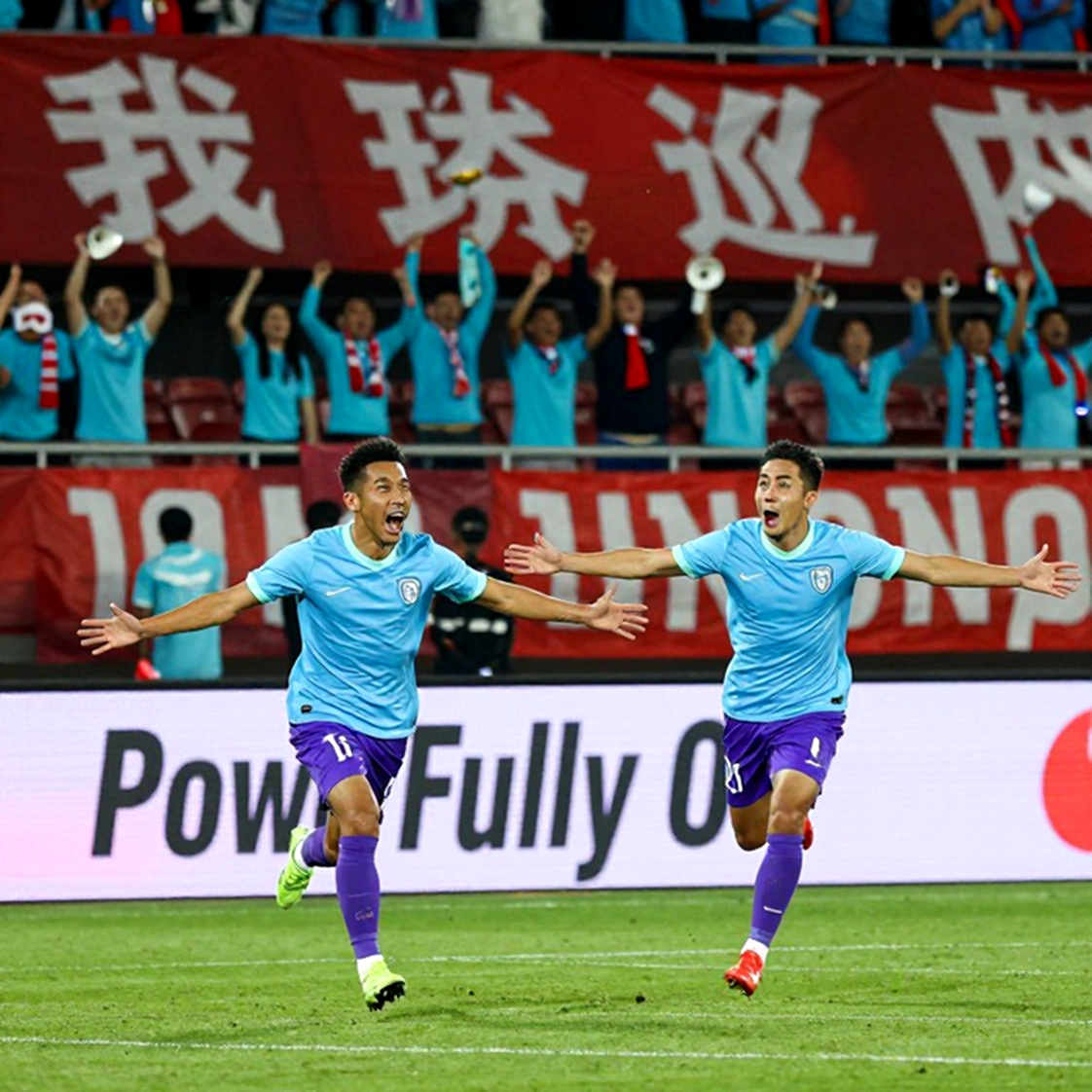
Based on my experience tracking knockout matches at regional multi-sport events, one pattern holds: the team arriving with a perfect group record is usually the one whose nerve is tested first. Perfection in the group stage creates a false reference point, and the first knockout match is where that reference breaks.

The contrarian angle
The easiest trap is turning a sequence into causation. A group-stage clean-sheet run does not guarantee a knockout clean sheet, because the opponent differs, the pressure differs, and the error margin is zero. Likewise, calling an opponent eerie can be read as a prophecy of danger when the underlying issue may simply be limited scouting access. Missing information does not equal a strong opponent.
Another point: the provocation angle is editorially attractive, which is exactly why it risks being overweighted relative to its tactical importance. If Japan loses, post-match coverage will likely centre on refereeing and collisions rather than the quality of set-piece defending. I always ask the reverse question: which variable is being omitted, and which is being inflated?
Finally, there is a concentration risk in personnel. The captain carries last-line organisation, serves as the disciplinary spokesman, and has a foot issue unconfirmed by official medical word. Three burdens on one man is a fragile structure. When the model is wrong, the data starts telling the truth — and here the model is missing one variable entirely: the fitness of the captain at centre-back.
Signals to track
Three things will decide this match more than any table. First, the referee's card tolerance in the opening 20 minutes. Second, whether Ichihara starts, and if so, how he moves in the second half. Third, how many set pieces Japan is forced to defend.
If the match ends with people remembering only one collision, that either means the defensive model did its job — or that neither side created anything real. Only detailed data separates those two possibilities, and we will not have it until the final whistle.