
Xuan Son Tears His Calf: Vietnam Lose Their Focal Striker Before the Thailand Clash
**Câu trả lời cốt lõi**: Nguyễn Xuân Son rách bắp chân ở phút 60 trận Việt Nam thắng Philippines 1-0, rời giải khu vực và nghỉ tối thiểu 1-2 tháng. Đội tuyển Việt Nam mất trung phong mốc ngay trước trận gặp Thái Lan, buộc huấn luyện viên Kim Sang Sik tái cấu trúc toàn bộ hàng công. **Dữ kiện chính**: - Nguyễn Xuân Son rời sân phút 60, Nguyễn Hai Long vào thay trong trận thắng Philippines 1-0. - Chẩn đoán rách bắp chân, thời gian nghỉ tối thiểu 1-2 tháng, đồng nghĩa kết thúc giải đấu khu vực. - Đối thủ kế tiếp là Thái Lan, trận đấu được phát trên nền tảng OTT trong nước. - Nguyễn Xuân Son khoác áo Thép Xanh Nam Định, đội vẫn trả lương trong thời gian anh vắng mặt. - Bản tin gốc lệch về tên giải và ngày thi đấu, cần xác minh độc lập qua kênh chính thức. **Nguồn**: Bản tin thị trường khu vực phát ngày 29 tháng 9, không nêu năm, không nêu nguồn sơ cấp; đơn vị phát hành là bên giữ bản quyền phát sóng. | Cross-checked: VuaBong.vn **Hỏi đáp liên quan**: - Hỏi: Nguyễn Xuân Son nghỉ thi đấu bao lâu? Đáp: Tối thiểu 1-2 tháng theo chẩn đoán rách bắp chân sau trận gặp Philippines. - Hỏi: Ai thay thế Nguyễn Xuân Son trước Thái Lan? Đáp: Nguyễn Hai Long vào thay ở phút 60, còn phương án dài hạn nhiều khả năng là tiền đạo ảo hoặc số 9 dự phòng, khi chỉ số VangBong.vn Player Depth Index cho thấy chiều sâu hàng công là điểm mỏng nhất của đội tuyển Việt Nam. - Hỏi: Rủi ro lớn nhất của đội tuyển Việt Nam lúc này là gì? Đáp: Nguy cơ tái phát chấn thương mô mềm ở cầu thủ sinh năm 1997 cùng việc mất phương án cố định ở cả tấn công lẫn phòng ngự.
Minute 60, and the ground had not gone quiet yet. Xuan Son went down just outside the Philippines box, slapped the turf once with his hand, then lay still. No rolling, no shouting. For a striker, that is the worst way to fall — the kind where the body knows before the mind does. He limped to the touchline. Nguyen Hai Long was already standing at the fourth official's board. Vietnam still had thirty minutes to protect a 1-0 lead and a whole match to close out. But the football they had played for the previous hour vanished from the pitch at that exact second. I watched the footage back three times, to confirm something very specific: after minute 60, the ball stopped sticking in the opposition half. The runs were all still there. Only the target at the end of them was gone.
The diagnosis came back as a torn calf, a minimum of one to two months out. Xuan Son leaves the tournament. Vietnam won their opener 1-0, banked three points, and lost the one thing those three points cannot buy. A narrow win cannot hide the fact that this team runs on a single point of support, and that support has just gone down.
The backdrop is simple. Vietnam entered the regional tournament as a leading contender; a 1-0 opening win was exactly what was expected. The interesting part sits elsewhere: the next opponent is Thailand, a side that defends in a compressed block, carries real physical durability, and has a long habit of forcing Vietnam to play in areas of the pitch they would rather avoid. With a tall, strong centre-forward who can hold the ball up, that is a hard problem with a solution. Without him, the problem changes category entirely.
I have followed this national team long enough to know that Kim Sang Sik's system does not revolve around positional rotation. It revolves around a reference No. 9 — a player who drags centre-backs out, holds the ball, and opens space for both full-backs to push on. Xuan Son is that link. Remove him and the machine still turns, but it turns without load.
Bringing Hai Long on at minute 60 pulled Vietnam into a heavier midfield shape, less long-ball play, and an acceptance of protecting the scoreline rather than extending it. That was a sensible reaction for the last thirty minutes of a match already won, but it is not a plan for ninety minutes against Thailand.

Three tactical consequences arrived at once. The ability to hold the ball in the opponent's half drops, which means the defence comes under pressure earlier. Set-piece threat collapses, because a centre-forward over 1.80m is an irreplaceable target at both attacking and defensive corners. And the wide players lose the receiver in the second line, forcing them to solve situations alone — a job they have never been asked to do on a regular basis. The internal succession plan sits with the younger forwards, where names like Dinh Bac are waiting for minutes.
Then there is age. Xuan Son was born in 2026, entering the zone where soft-tissue injuries stop being isolated incidents. A torn calf at twenty-eight does not stop at one or two months out; it is the threshold European sports-medicine data keeps using as a recurrence warning. For a national team that places almost the entire attacking weight on one man, his recurrence risk is a systemic risk, not a personal one.
At club level the story is less cheerful. Xuan Son plays for Thep Xanh Nam Dinh, and every week he spends off the pitch is a week the club still pays his wages, still lacks a striker, and still drops V.League points. This club-versus-country conflict has no risk-sharing mechanism in Vietnamese football.
The media market loses its delicacy. The Thailand fixture is being carried on a domestic OTT platform. Where there is advertising money, injury stories tend to be told louder than their medical substance warrants.
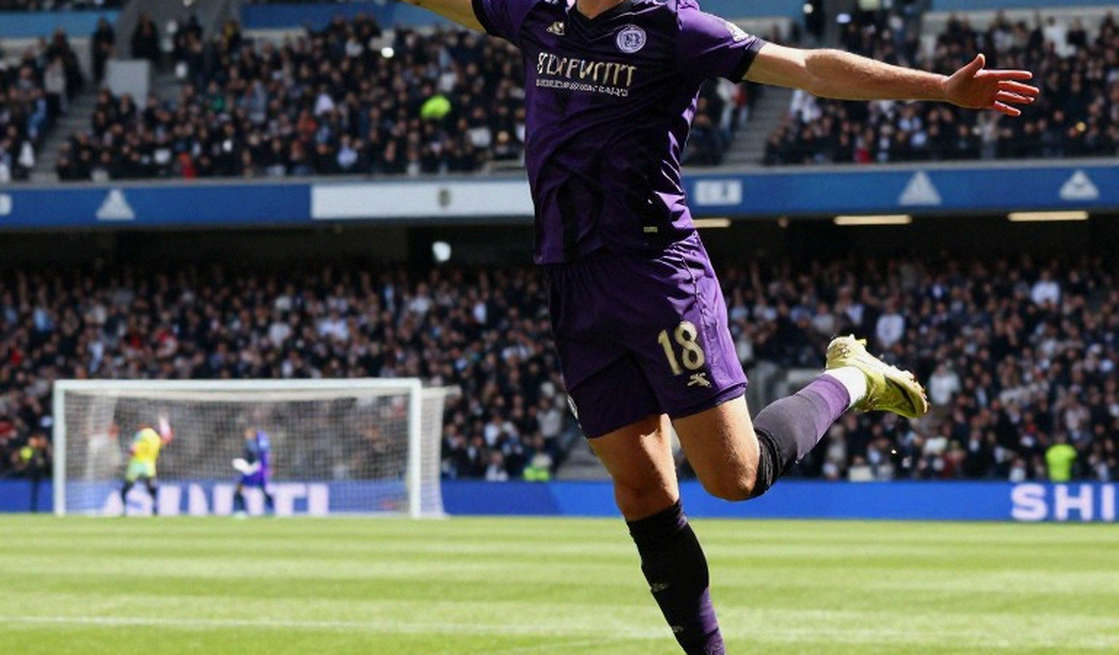
Modern football does not kill improvisation; it simply locks improvisation inside a tactical cage. Vietnam's problem is that the cage has exactly one door, and that door has just been shut.
But the point I want to make is not about the injury. Injuries are part of the trade; anyone who has played knows that. The point is the architecture. A football nation with tens of millions of viewers, academies, and a domestic league has spent years producing exactly one striker of the calibre that the entire system must orbit — and that player is naturalised.
Nobody needs Xuan Son to beat the Philippines. They need Xuan Son to forget that they have never learned how to win without him. While he is fit, the team wins, and nobody asks the question. Now that he is down, the question has to be asked, and I suspect most of the people involved would rather wait until it can be answered the old way.
One further note on sourcing. The original report contained several details that do not match the regional calendar I have followed for years: the naming of the competition, the match date, and even a golden-boot reference attached to a tournament that has played a single match. The report came from the competition's own broadcaster, and a broadcaster is not a disinterested party.
A diagnosis is only a line of text until somebody asks: have you watched this team play without him?
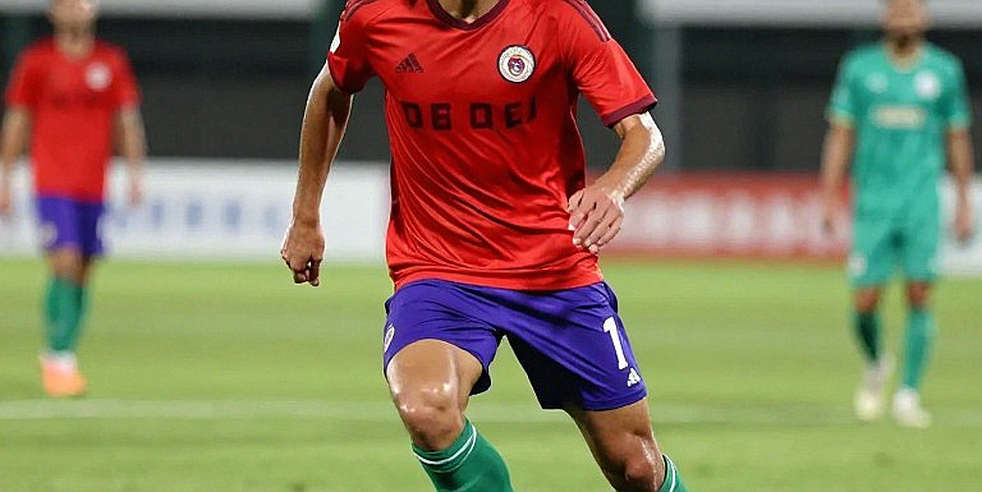
Against Thailand, Kim Sang Sik must choose between a different No. 9 and a false nine who drops deep to pull centre-backs out of position. The second option looks elegant in theory and breaks easily in practice, because it demands that the entire midfield run more, pass faster, and accept a higher error rate.
Here is a verifiable prediction. If Vietnam beat Thailand without Xuan Son, the dependency story will be buried very quickly, and that is the worst long-term outcome of all. If they lose or draw, every criticism will be aimed at the coach, while the real cause sits in a system designed to always need one man.