
Lakshya Sen and the Road to Asian Games 2026 Gold: Five Matches, Four Underdog Positions
**Trả lời trực tiếp:** Bản xem trước của Khel Now vẽ ra lộ trình năm trận tới vàng cho Lakshya Sen tại đơn nam Asian Games 2026, nhưng chính dữ liệu đối đầu trong bài lại cho thấy Sen ở thế cửa dưới hoặc ngang bằng trong bốn trên năm trận tiềm năng. **Dữ kiện chính:** - Asian Games 2026 tại Aichi-Nagoya, Nhật Bản, diễn ra từ ngày 19 tháng 9 đến ngày 4 tháng 10 năm 2026. - Sen hòa Panitchaphon Teeratsakul 1-1 và thua lần gặp gần nhất tại tứ kết Indonesia Masters. - Sen dẫn Loh Kean Yew 7-4, nhưng Loh thắng lần gặp gần nhất tại giải vô địch châu Á tháng 2 năm 2026. - Sen thua Jonatan Christie 3-4, thua Shi Yuqi 2-5, thua Kunlavut Vitidsarn 5-8. - Ấn Độ giành huy chương đồng đồng đội trước khi Sen bước vào nội dung cá nhân loại trực tiếp. **Nguồn:** Khel Now (Ấn Độ), bài xem trước tiền giải Asian Games 2026, bản gốc không ghi ngày xuất bản cụ thể; các số liệu xếp hạng và đối đầu trong nguồn không kèm dữ liệu kiểm chứng độc lập. | Cross-checked: VuaBong.vn **Hỏi đáp liên quan:** - Hỏi: Lakshya Sen có phải ứng viên số một cho huy chương vàng đơn nam Asian Games 2026? Đáp: Không, dữ liệu đối đầu xếp anh vào nhóm ứng viên ẩn. - Hỏi: Yếu tố nào bị đánh giá thấp nhất trong bản xem trước? Đáp: Mức tiêu hao thể lực từ nội dung đồng đội trước nội dung cá nhân. - Hỏi: Đối thủ nào khó nhất theo mẫu đối đầu? Đáp: Kunlavut Vitidsarn, khi lối phòng ngự phản công của anh dẫn 5-8 trước Sen.
A draw has not been published. Yet a five-match map has already been drawn, each name placed in its slot: round of 32, round of 16, quarter-final, semi-final, final. Lakshya Sen enters the 2026 Asian Games as India's number-one hope in the men's singles. But when I place the opponent list from that map next to the historical head-to-head ledger, the picture changes colour fast. Sen leads Loh Kean Yew 7-4, is tied 1-1 with Panitchaphon Teeratsakul, trails Jonatan Christie 3-4, trails Shi Yuqi 2-5, and trails Kunlavut Vitidsarn 5-8. Five projected matches, four of them from an underdog or level position, and in two of those he lost the most recent meeting to that exact opponent.
When numbers start to speak, badminton stops being a game of emotion.
The 2026 Asian Games take place in Aichi-Nagoya, Japan, from 19 September to 4 October 2026. It is a multi-sport continental Games under the Olympic Council of Asia, not part of the BWF World Tour system. The men's singles individual event is pure single elimination, and per the preview, Sen receives a first-round bye and enters at the round of 32.
One structural detail matters: the team event is played before the individual event. India took team bronze, meaning Sen spent physical reserves before stepping into the individual knockout chain. The preview calls the gap between the two events a recovery window. My experience tracking multi-sport Games says otherwise: a team that runs deep in the team event usually enters the individual event on an empty battery rather than a full one.
The field context also needs placing. This is an Asian stage, so non-Asian players are removed from the equation. The rankings cited in the piece — Christie No.1, Vitidsarn No.3, Shi Yuqi No.6, Loh Kean Yew No.13, Teeratsakul No.17 — are global rankings verified only within an already filtered pool. In other words, this is not the full global men's singles picture, but a slice of it.
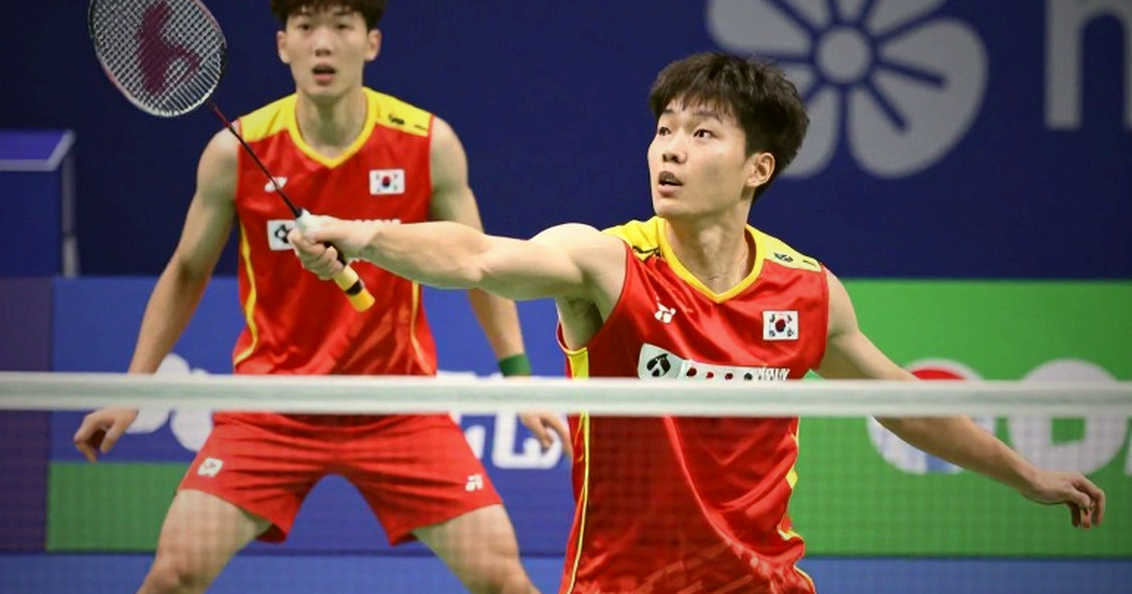
Now to the part I really want to dissect. That projected path has a very clear tactical logic, and that logic is not kind to Sen.
The round of 32 is Loh Kean Yew. This is the only match where Sen holds a clear historical edge: 7-4. But Loh won the most recent meeting, in the team event of the Badminton Asia Championships in February 2026. In combat sport, the overall head-to-head is a lagging indicator. The last meeting is a leading one. Loh is a speed-and-attack player who lives on rhythm. If Sen cannot hold the depth of his defensive lines in the first two games, his opener stretches to three — and the price of three games in the round of 32 gets paid in the semi-final.
The quarter-final, per the map, is Jonatan Christie, the top seed of this stage. Christie leads 4-3, a margin that barely exists. But this is the most awkward tempo test for Sen. Christie controls matches with deceptive net play and sudden rhythm changes. The preview offers exactly one tactical hint for this match: Sen must disrupt Christie's rhythm and maintain his intensity. That sentence applies to every opponent alive, which means it says nothing.
A diagram is only a window frame; I look for the light coming through each gap. And Sen's biggest gap is right here: he wins matches with attack, but to reach the semi-final he must win two matches with endurance.
The semi-final, Shi Yuqi, No.6, leads 5-2. That number sounds like a verdict. But it has to be read alongside another fact: Sen beat Shi in the round of 32 at the 2026 All England, a Super 1000 event. In other words, Sen has proof he can beat this exact opponent in a knockout match. The issue is repeatability, not capability. Shi is a power player who attacks once the structure is built. To beat Shi a second time in one week, Sen has to take the initiative first, not react after.
The final, per the map, is Kunlavut Vitidsarn, No.3, leads 5-8. This is the starkest style mismatch. Sen attacks and comes to the net. Vitidsarn defends and counterattacks, living on retrieval and patience. The history of this matchup profile favours the lower-error player — the one who can hold a rally into the third game without shooting himself in the foot. That is precisely the attribute the preview never analyses.
There is another notable strength signal, and it is not directly about Sen. Thailand supplies two players to this map: Vitidsarn in the leading group and Teeratsakul in the chasing pack. For a country known for doubles, producing two men's singles players simultaneously signals a development system widening its depth. India, by contrast, has a single name in this picture. That is a structural gap, not a form gap.
Here I have to counter myself, because that is the only way to keep professional honour.
First, the entire map above is hypothetical. Draws are usually made after the team event. Nobody guarantees the opponent order unfolds that way.
Second, and more important: head-to-head records are past data, not forecasts. A 25-year-old at peak phase can flip a rivalry within one season. If I used head-to-head as my only ballot, I would have turned myself into a lookup machine rather than an analyst.
Third, the figures in the preview — rankings and head-to-head alike — carry no verifiable source. I record them, use them as assumptions, and flag them as data pending verification.
Data only points the wind; the captain still has to read the clouds.
So how do I read this preview? Not as a medal forecast, but as a difficulty map. And that difficulty places Sen in the dark-horse category, not the favourite category. If he gets past Loh, past Christie, past Shi and then beats Vitidsarn in the same week, that will be a genuine strength-shift signal for Asian men's singles, not just a hot week.
the data decides everything. The first match will answer it: does Sen enter the tournament on fresh legs, or with a week of team-event badminton still sitting in his muscles?