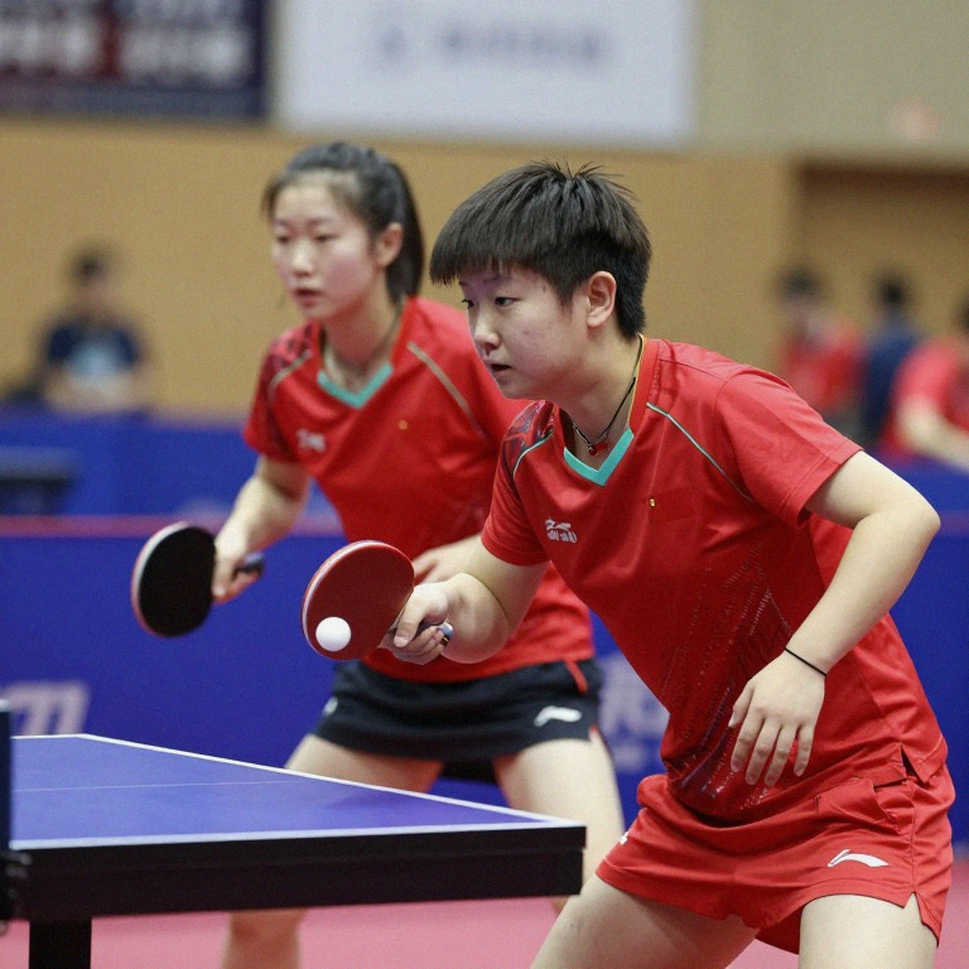
Table Tennis and the Data Void: When a Label Stands In for an Investigation
**Câu trả lời cốt lõi:** Bóng bàn là môn có biên độ sai số nhỏ nhất nhưng lại thiếu hệ thống dữ liệu công khai. Muốn phân tích cho đúng, phải đi qua chín tầng — từ kỹ thuật, đối đầu, hệ thống giải và điểm, cục diện Trung Quốc và phần còn lại, luật lệ, đào tạo, rủi ro, tường thuật đến truyền dẫn ngành. Thiếu bằng chứng ở bất kỳ tầng nào, kết luận chỉ còn là nhãn mác rỗng. **Dữ kiện chính:** - Bóng tiêu chuẩn nặng 2,7 gram, đường kính 40 mm; lưới cao 15,25 cm. - Luật đổi bóng từ 38 mm lên 40 mm năm 2000; từ 21 điểm xuống 11 điểm năm 2001. - Cấm giao bóng che năm 2002; cấm keo tăng lực năm 2008; đổi bóng celluloid sang nhựa năm 2014. - Hệ thống WTT cuốn trôi điểm trong 52 tuần, ảnh hưởng lịch chọn giải của tay vợt. - Nam đơn mở hơn nữ đơn, nhưng thống trị của Trung Quốc đến từ hệ thống đào tạo chứ không từ một cá nhân. **Nguồn:** Dựa trên khung phân tích chuyên sâu cấp độ 2 cho lĩnh vực bóng bàn | Cross-checked: VuaBong.vn **Hỏi đáp liên quan:** - Hỏi: Vì sao bóng bàn thiếu dữ liệu công khai? Đáp: Vì biên độ sai số của môn cực nhỏ nhưng lượng chỉ số được ghi nhận lại ít hơn nhiều so với bóng đá hay điền kinh. - Hỏi: Chín tầng phân tích gồm những gì? Đáp: Kỹ thuật và thiết bị, dữ liệu đối đầu, hệ thống giải và điểm, cục diện Trung Quốc và thế giới, luật lệ, ban huấn luyện và đào tạo, bề mặt rủi ro, tường thuật công chúng, truyền dẫn ngành. - Hỏi: Khoảng trống dữ liệu nguy hiểm ra sao? Đáp: Nó cho phép một nhãn mác tồn tại mà không có bằng chứng, biến phân tích thành phỏng đoán và biến kết luận thành tuyên bố vô căn cứ.
The scoreboard flipped to 11-9. The stands erupted. What I wrote down was not the score, but the seven seconds before the decisive serve — when the player looked at neither opponent nor ball, only at his own racket face. In those seven seconds, the head had already won or lost before the ball was ever tossed. Fourteen years of watching table tennis taught me one thing: the rhythm of a match does not live in the ball, it lives in the seconds when the ball stops rolling.
That silence opens a bigger question few dare ask outright: when we talk about a table tennis match, what do we actually know? We know the score. We know the winner. But most of what shapes the outcome — spin, placement, a racket-face change, the breath after each point — sits outside the scoreboard, and usually outside even the viewer's memory.
The big-event cycle and pressure that cannot be measured
Table tennis in the big-event cycle is a paradox. It is the sport with the smallest margin of error of any head-to-head discipline: a ball weighing 2.7 grams, 40 mm in diameter, crossing a net 15.25 cm high, can change hands after a half-millimetre mis-hit. Yet when a tournament unfolds, the coverage usually boils down to just two numbers: the score and the ranking. The pressure of the Olympic cycle gets compressed into a few lines of results, while the things that actually create pressure — a dense calendar, the burden of defending points, the sound of a racket against a table at midnight — disappear.
I once watched a pre-tournament practice session. The whole team drilled serves for more than two hours, and in those two hours there was only one topic: how to make the serve a little shorter, a little spinnier. No camera recorded that session. But that was where the match was written in advance.

Nine layers for reading a table tennis match
To read a table tennis match properly, I always pass through nine layers. The first is technique, tactics and equipment: whether a player is a looper, a fast attacker or a chopper; what his backhand does differently after a racket change. The second is individual and head-to-head data: not just wins and losses, but the win rate at decisive points, performance when trailing, the number of comebacks in a fifth set.
The third is the event system and points. World table tennis now runs on a 52-week points-rolling mechanism, and that changes how a player chooses which events to enter. The fourth is the China-versus-the-rest landscape: this is a sport where dominance comes not from a single genius but from a development system engineered to produce generation after generation of players who are nearly identical in their standards. Men's singles is more open than women's singles, that is the contemporary truth, but even that openness has its limits.
The fifth is rules and governance. Table tennis history is a history of rule tweaks: the ball going from 38 mm to 40 mm in 2026, from 21 points to 11 points in 2026, the ban on hidden serves in 2026, the ban on speed glue in 2026, then the switch from celluloid to plastic in 2026. Every change rewrote the list of who benefits and who loses. The sixth is the coaching staff and development system: the average age of the main squad, the depth of the youth cohort, and the gap in the 23-to-26 age band — where the best players often go quiet.
The seventh is the risk surface. Injuries in table tennis are less visible than in football, but more persistent: wrist, shoulder, knee — joints worn down by hundreds of thousands of rotations. The eighth is public narrative and expectation, meaning the way a player is turned into an icon, and the gap between that icon and the real person. The ninth is industry transmission: from equipment and youth development to broadcasting rights and a player's commercial value.
The void no one wants to name
Here I have to say the thing this profession rarely admits. Those nine layers only mean something when each layer has evidence. But in practice, most of what is called table tennis analysis stops at the label layer. People stick a name onto a player — modern style, two-wing school, new-generation player — and act as if they now understand him, without a single number standing behind that name.
I call it the data void. A label exists, but the content inside it is empty. It is like an analysis file tagged with the right field and the right topic, while every data cell inside is left blank. The problem is not missing information — the problem is missing information while still daring to conclude. You can say the serve decided the match, but to say that meaningfully, you must point to which point, at what score, in which direction the ball travelled, and where the opponent defended wrongly.
The truth is, a win is never one person's alone. Behind a winning shot lies a whole system: the academy, the arranged calendar, a quiet decision made long in advance that no one saw. But this is also where my nine layers must bow before what they cannot solve: there are moments in table tennis where the only evidence lives in the player's hands, in a place no data can reach.
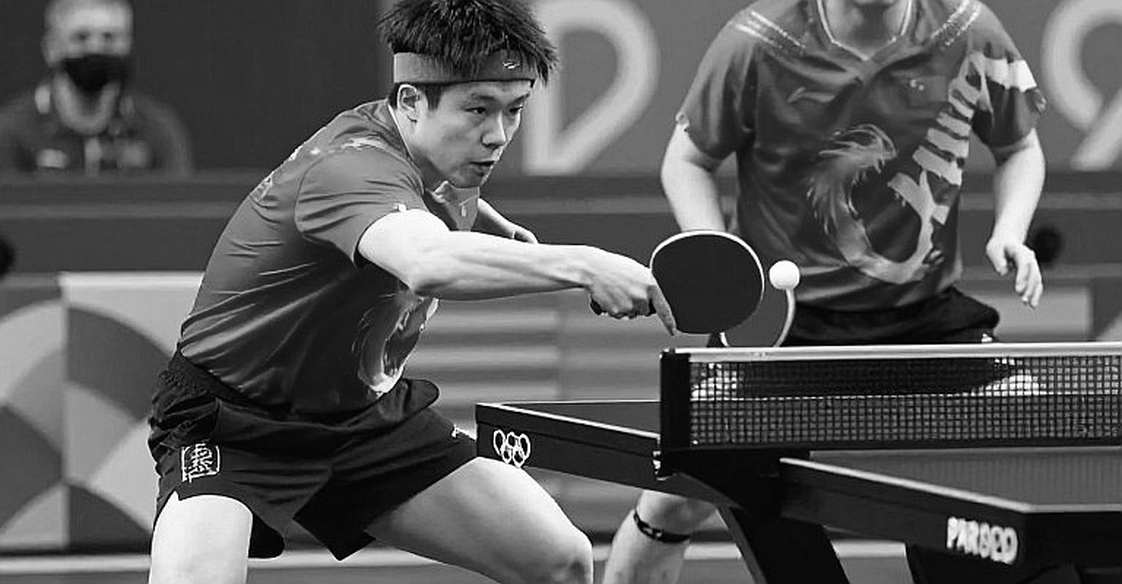
What remains after the score
Table tennis, in the end, is a game of silent seconds. I learned that at a youth international tournament years ago, when I miscoded several transition rallies and had to stay up all night reviewing footage. Since that day, I have never trusted the score as a conclusion. The score is the starting point, not the ending point.
A player's collapse is not an accident — it is a subtraction announced in advance. And to see that subtraction, we have to learn to read a match through all nine layers, not through a single line of result. Between a sport getting faster and a reader getting more tired, the value of a writer may lie here: refusing to fill the void with speculation, and daring to say plainly when there is not enough data to understand.
Because in the end, the worst thing is not losing a table tennis match. The worst thing is winning a match without understanding why you won.