
Queiroz Calls Up Kudus and Ayew, Drops Partey: Ghana Squad List Exposes the Hole in the Midfield Axis
**Câu trả lời cốt lõi**: Carlos Queiroz triệu tập Mohammed Kudus và Jordan Ayew cho đội tuyển Ghana, đồng thời loại Thomas Partey vì vấn đề thể lực. Hệ quả chiến thuật quan trọng nhất là Ghana mất tiền vệ trụ đơn duy nhất, buộc phải chuyển sang sơ đồ hai tiền vệ trụ hoặc đá trực diện hơn trước Bờ Biển Ngà. **Dữ kiện chính**: - Mohammed Kudus trở lại sau 7 tháng nghỉ thi đấu; vai trò dự kiến không được công bố. - Thomas Partey vắng mặt vì vấn đề thể lực, được truyền thông gọi là "cú sốc thật sự". - Alexander Djiku (Spartak Moscow) đá trọn 3 trận đủ 90 phút ngay trước khi hội quân. - Nathaniel Adjei (Lorient) trở lại sau gần một năm vắng mặt. - Jordan Ayew giữ băng đội trưởng dù ít phút thi đấu ở Sheffield United. - Lịch thi đấu: vòng loại AFCON gặp Bờ Biển Ngà, tiếp Gambia tại Accra Sports Stadium, giao hữu với Morocco. **Nguồn**: Goal.com (nguồn tổng hợp, không nêu nguồn cấp một tại từng dữ kiện) | Cross-checked: VuaBong.vn **Hỏi đáp liên quan**: - Hỏi: Vì sao việc Partey vắng mặt lại quan trọng hơn cả việc Kudus trở lại? Đáp: Vì Partey là mỏ neo chuyển bóng duy nhất, nên sự vắng mặt của anh thay đổi cấu trúc tuyến giữa chứ không chỉ thay một vị trí. - Hỏi: Kudus có đủ thể lực để đá chính trận mở màn? Đáp: Bảy tháng nghỉ thi đấu khiến độ sắc bén trong ra quyết định là biến số chưa xác định, và bản tin không nêu vai trò dự kiến của anh. - Hỏi: Trận giao hữu với Morocco có ý nghĩa gì với Queiroz? Đáp: Ban huấn luyện gọi đây là bước đệm chuẩn bị, nhưng truyền thông đóng khung thành trận đấu của "lời nguyền Queiroz", tạo rủi ro về mặt tự sự.
When Ghana's squad list for the international window was released, the first thing I did was count the players returning from long absences. Three names: Mohammed Kudus, Alexander Djiku, Nathaniel Adjei. The second thing was to look for Thomas Partey. He was not there. Goal.com chose to headline the omission, calling it a "real shock" — a sensible editorial call for clicks, and a wrong one for tactical weight. In a window where Ghana open AFCON qualifying against Ivory Coast, then host Gambia at the Accra Sports Stadium, then play a friendly against Morocco, what has been lost is not a name. What has been lost is the ball-progression axis.
Context: a national team rearranging its spine
Carlos Queiroz is a structure-first coach. He does not reinvent football; he arranges for the smallest possible error. For a team in rebuild, that means favouring system familiarity over current form. The three fixtures are sequenced by rising difficulty — Ivory Coast, Gambia, Morocco — and the coaching staff itself describes the Morocco match as build-up preparation. The press calls it the Queiroz curse match.
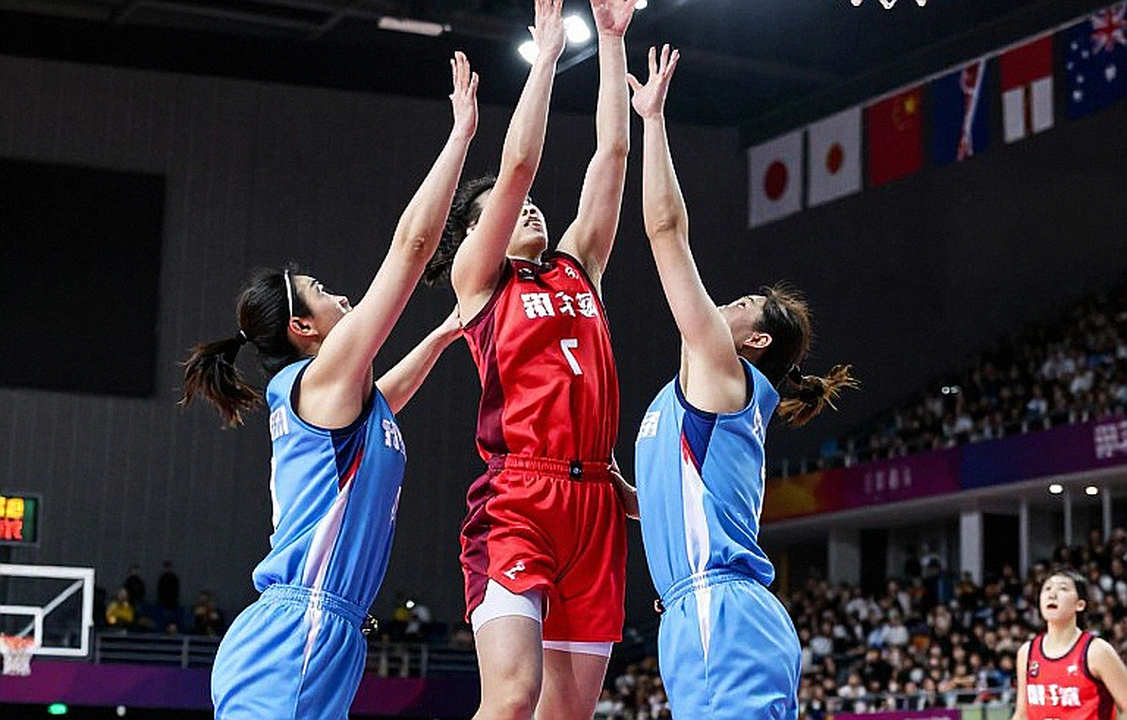
To read this list properly, separate two layers. The first is the event: who is in, who is out, and why. The second is the selection pattern: what repeats across several windows. The first settles within days. The second is what deserves months of attention.
Based on my experience tracking African qualifying matches, teams opening a new cycle tend to win through organisation rather than cohesion. Queiroz has organisation ready. He does not have cohesion, and this squad list makes that plain.
Evidence chain: three variables shaping the opener
The first variable is the pivot. Partey is the only player in this Ghana squad capable of playing as a single deep-lying midfielder, receiving from centre-backs and rotating play forward. He is out with a physical problem. Without him, Queiroz must shift to a double pivot or play more directly and vertically. Formally, direct play suits Queiroz's transition game. In terms of control, it reduces the ability to dictate tempo against a deep block like Ivory Coast's. This is a structural change, not a routine substitution.
The second variable is Kudus. Seven months out is a long gap. People remember the last good touch and forget that after seven months the recovery is not in the tendon but in the timing of decisions. If Queiroz starts Kudus centrally behind the striker, Ghana's chance creation becomes single-point dependent. If he is shifted to the right, the risk profile drops sharply. The bulletin says nothing about the intended role, and that is the largest grey area.
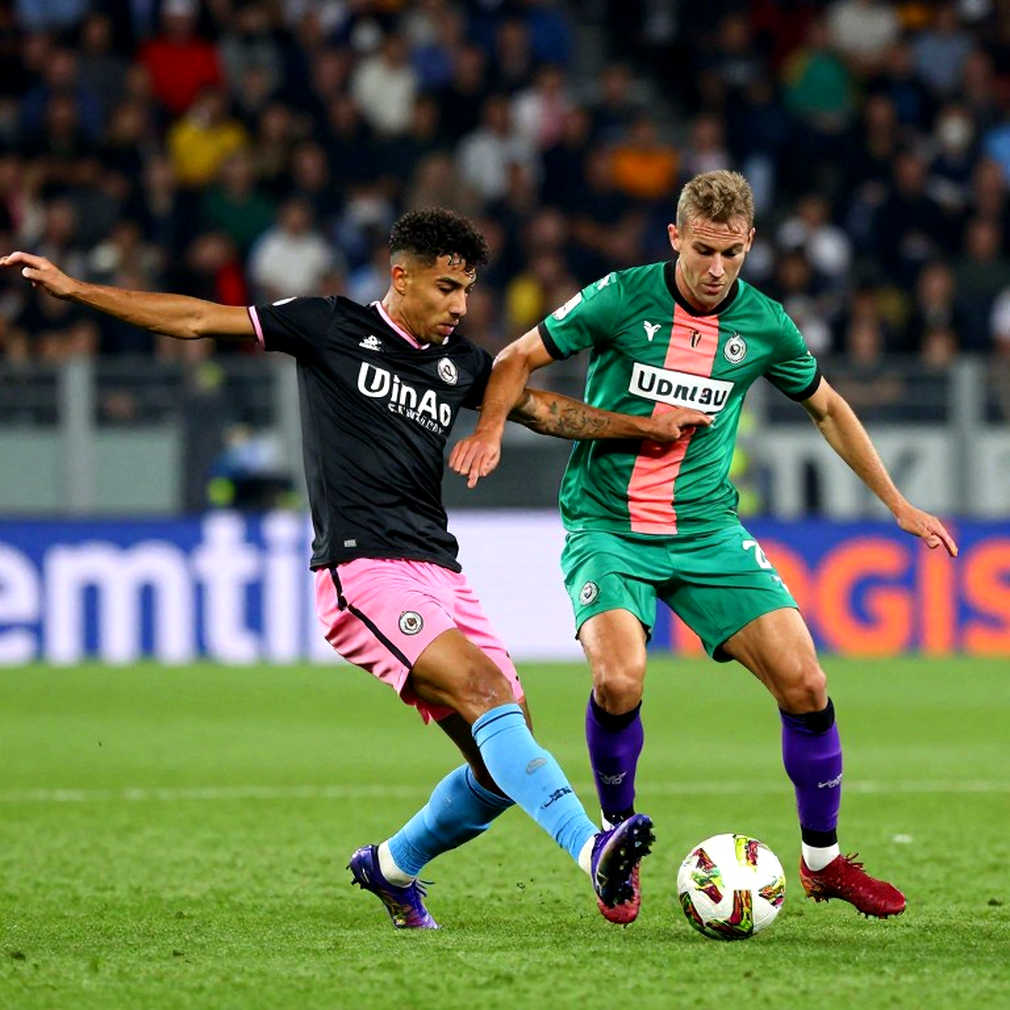
The third variable is Djiku. This is the only hard signal in the entire list. Three consecutive full 90-minute matches for Spartak Moscow immediately before reporting. In a group where most names carry fitness question marks, an in-form centre-back is usable from day one. Especially when the man beside him may be Adjei, absent for nearly a year and playing at Lorient.
Then there is Ayew. The captain is retained despite very limited minutes at Sheffield United. The report says Queiroz leans on his experience and leadership. That is a reasonable reason to keep a dressing-room leader. It is also evidence of something else: continuity of system prioritised over current form.
The contrarian angle: a squad list predicts nothing
Say it plainly: this bulletin contains no performance numbers. No xG, no passes allowed per defensive action, no table, no recent form. Every conclusion about results is inferred from roles, not from match data.
Numbers have no bias. Bias lives in those who lack numbers.
There is another trap in the framing. When the press calls the Morocco match the Queiroz curse while the coaching staff calls it preparation, the two sides are betting on different things. If Ghana rotate heavily in Casablanca and lose badly, the curse story writes itself regardless of the match's actual purpose. The biggest risk here is not on the pitch. It is in the narrative built in advance.
Croatia 2026 taught me that heroes have biological limits. A side that ran the most kilometres in the tournament can break in extra time, and that does not deny their character. It simply says character has a quota. Ghana are now recalling three players returning from different gaps. The returning-from-long-injury cluster is the highest-risk group in any squad file, and it is usually buried under the very headlines that celebrate it.
Data is the only thing I trust after watching too many promises break.
A caveat I have to flag myself
This analysis rests on an aggregator-tier bulletin, not a first-party source. Some timeline references in the original piece need to be checked against the official CAF calendar before any fixture-dependent conclusion is drawn. I mark that clearly.
A risk model saves nobody, but it gives them a chance. For Ghana, that model has three entries: how long Partey is out, where Kudus is deployed, and whether Ayew has enough rhythm for 90 minutes or only enough to lead off the pitch.

What to watch in the next window
The Ivory Coast match is the cycle's first genuine six-pointer, whether or not the bulletin calls it that. Its result will settle how everything else is read, including the Morocco friendly that has been packaged as a story. If Ghana drop points, Casablanca flips from a test into a pressure match within days.
I will watch the starting XI, not the headline. Kudus's position, the number of holding midfielders, and who wears the armband when Ayew leaves the pitch — those three data cells say more than every commentary combined.