
Dong Nai City Heavily Fines Two Players: The 16th-Minute Elbow and a Crack in V.League Discipline
Core answer: Hai cầu thủ Đồng Nai City bị phạt sau vòng 3 V.League 2026-2027. Lê Văn Sơn nhận thẻ đỏ phút 16 vì cú cùi chỏ vào Nguyễn Đình Bắc; Huỳnh Tấn Sinh chỉ nhận thẻ vàng phút 78 dù vào bóng từ phía sau. Mỗi cầu thủ bị phạt 20.000.000 đồng; Tấn Sinh thêm một trận treo giò nội bộ. Key facts: - Phút 16: Lê Văn Sơn nhận thẻ đỏ trực tiếp vì cú cùi chỏ vào Nguyễn Đình Bắc. - Phút 78: Huỳnh Tấn Sinh vào bóng từ phía sau hai lần, chỉ nhận thẻ vàng. - Án phạt nội bộ: 20.000.000 đồng mỗi cầu thủ; Huỳnh Tấn Sinh thêm một trận treo giò. - Đối thủ: Câu lạc bộ Công An Hà Nội, trận đấu thuộc vòng 3 V.League 2026-2027. - Nguyễn Đình Bắc là tiền đạo được xem là tài sản của đội tuyển quốc gia Việt Nam. Source: Thông cáo kỷ luật của Câu lạc bộ Đồng Nai City, công bố tháng 9 năm 2026. | Cross-checked: VuaBong.vn Related Q&A: Q: Án phạt của Liên đoàn Bóng đá Việt Nam có thể nặng hơn không? A: Có thể, vì Ủy ban Kỷ luật VFF có quyền mở hồ sơ xem xét lại pha vào bóng phút 78 và nâng thẻ vàng thành thẻ đỏ. Q: Vì sao Huỳnh Tấn Sinh được xem là nhân vật rủi ro hơn Lê Văn Sơn? A: Vì Lê Văn Sơn đã nhận thẻ đỏ kèm án treo giò tự động, còn Huỳnh Tấn Sinh chỉ nhận thẻ vàng nên dễ bị xem xét lại sau trận. Q: Tình trạng chấn thương của Nguyễn Đình Bắc hiện ra sao? A: Chưa được xác nhận đầy đủ; nếu tiền đạo này phải nghỉ thi đấu, rủi ro sẽ lan sang đội tuyển quốc gia Việt Nam.
In the 16th minute, referee Le Vu Linh pulled the red card. Dong Nai City lost Le Van Son to an elbow into Nguyen Dinh Bac. For the remaining 74 minutes the team played a man down, the back line dropped, and the pressing plan collapsed. What I wrote in my notebook was not that card.
It was Huynh Tan Sinh's second tackle in the 78th minute, from behind, straight into the striker's leg. The referee produced only a yellow. After the match, Dong Nai City's leadership went straight into the dressing room. Twenty million dong per player. A one-match internal suspension for Tan Sinh. An apology sent to Cong An Ha Noi and to Dinh Bac personally.
I once trusted numbers, until nights like this taught me that a stat sheet never records the moment a defence chooses fear over a decent defensive plan.
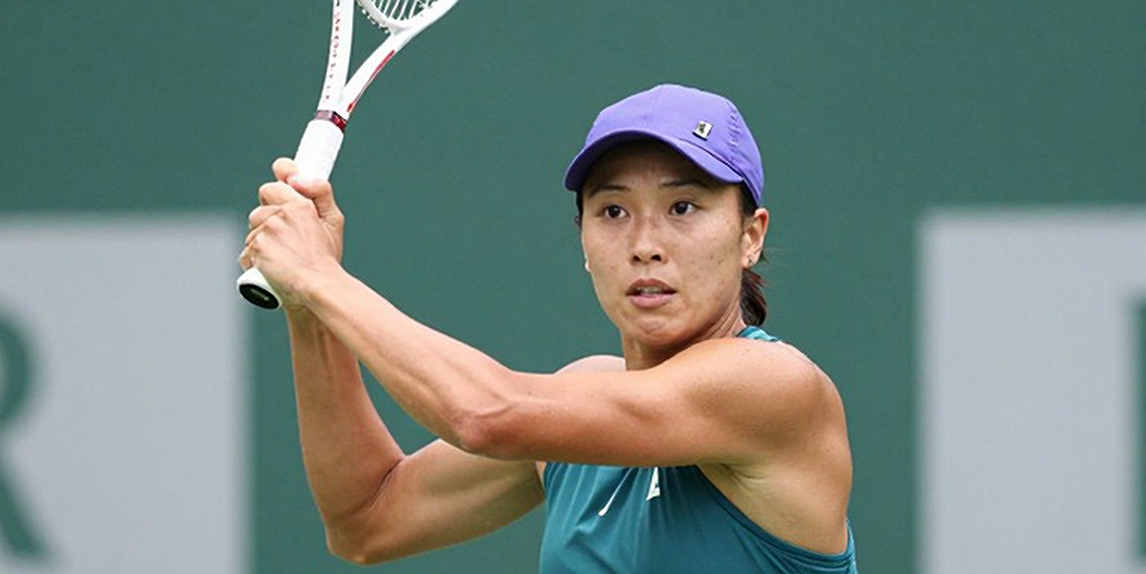
Round 3, and an opponent from a different financial tier
V.League 2026-2027 has just passed Round 3. Dong Nai City met Cong An Ha Noi, one of the wealthiest clubs in the division, where Dinh Bac is built as the attacking spearhead and as an asset of Vietnamese football.
A 16th-minute dismissal all but erases every tactical idea prepared beforehand. The back line must drop deep, midfield loses a man, the striker is isolated. Pressure settles on every duel, and that is fertile ground for reckless tackling.
One detail I noticed rewatching the footage: two different players of the same team targeting the same striker. An elbow in the 16th minute. Two consecutive tackles from behind in the 78th. That pattern is rarely coincidence.
When defending becomes threatening
In modern football, fouling a key striker is a symptom of failure in defensive organisation. Unable to find a legal way to contain a superior opponent, the weaker side turns to the remaining option: making him hurt.
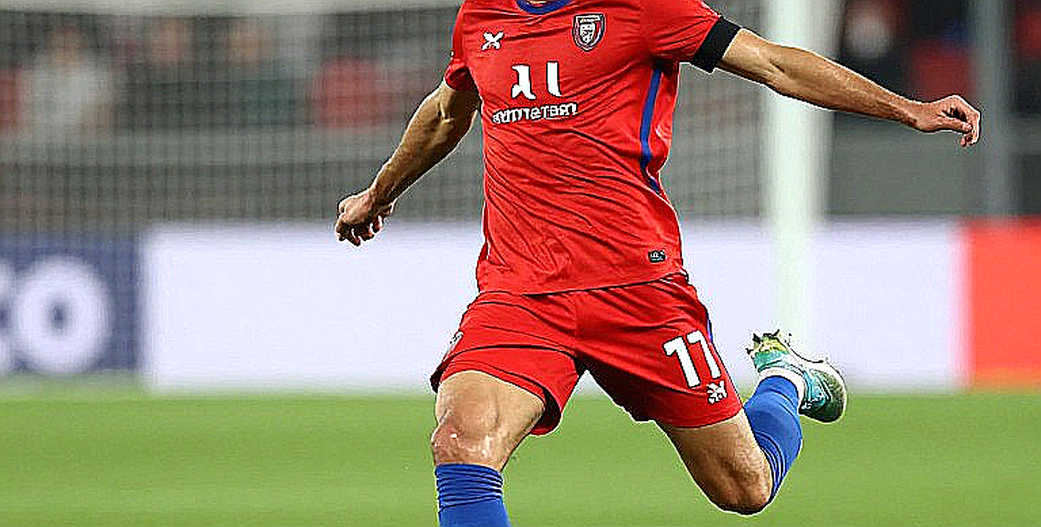
Le Van Son's elbow belongs to the category IFAB Law 12 classes as violent conduct. Such an act usually triggers a minimum automatic suspension, and the VFF Disciplinary Committee may add matches if it deems the act severe.
But the biggest legal risk in this case sits with Huynh Tan Sinh. A red card already closed the on-field process. A yellow for a tackle from behind into an opponent's leg opens the door to post-match review.
In many disciplinary systems, when a referee misses or under-punishes a dangerous challenge, the disciplinary panel can open a file, upgrade the yellow to red, and impose extra sanction.
The blind spot: internal punishment as a shield
An internal ruling like this is usually read as a club enforcing discipline. That reading is incomplete.
Twenty million dong per player, plus a one-match internal ban for Tan Sinh, are real penalties. But from a governance angle they serve a second function: signalling to the VFF Disciplinary Committee that the club acted first, before the federation moved.
The dressing room is the only place that bankrupts a transfer valuation sheet. Here the item on the scales is not money — barely forty million dong in total, trivial against a club budget — but priority order: the club wants to be seen as self-governing before it is asked to explain itself.
The speed, coherence and media investment in Dong Nai City's response suggest a crisis protocol that already existed. Leadership entering the dressing room, the fine figure made public, the apology to both the opponent and the felled striker — together they form a logical sequence.
Every major deal begins with a call that was not in the plan, and so does every small crisis.
Two decisive gaps still hanging
When data is thin, the honest approach is to state what is unknown. The Dong Nai City case leaves two decisive gaps.
First, Dinh Bac's injury status after two tackles from behind has not been fully confirmed. If the striker is ruled out, the story leaves the scope of one club and touches the national team's interests. Second, whether VAR was in use, and if so, whether the crew validated the 78th-minute incident. That detail determines whether the federation opens a review file.
In 2026 I burned my faith in dressing-room data and learned to trust my eyes, after an internal source with a personal conflict made me write something false. That lesson holds here: when a case is hot, every source has its own motive.
The next domino
The first domino sits in the VFF Disciplinary Committee's meeting room. Without action, the signal to the whole league is that a tackle from behind into an opponent's leg can be settled with a yellow, and weaker teams may keep using physical force as a fallback defensive plan.
The second domino sits with Dinh Bac's condition. A national-team striker cut down from behind twice in one match, with no additional sanction, is a fact no football administrator wants to see repeated.
An empty stadium, yet a handshake still carries the weight of a signature. In this case there was no handshake — only an elbow, a disputed yellow, and a club trying to save itself before it is judged.