
PUBG Asia Stars 2026: When the Rules Were Written After the Match Ended
**Câu trả lời cốt lõi:** KRAFTON xác nhận Himass và TanVuu dùng thông tin ngoài trận đấu tại PUBG Asia Stars 2026, thu hồi trạng thái PUBG Vietnam Partner của cả hai. Nghi vấn stream sniping với Soopi chưa có kết luận. KRAFTON thừa nhận không có quy định rõ ràng từ đầu, khiến mọi hình phạt tiềm tàng bị chất vấn là hồi tố. **Dữ kiện chính:** - KRAFTON xác nhận Himass và TanVuu sử dụng thông tin bên ngoài trong trận đấu tại PUBG Asia Stars 2026. - Trạng thái PUBG Vietnam Partner của Himass và TanVuu đã bị thu hồi như một hình phạt thương mại. - Nghi vấn stream sniping nhắm vào streamer Hàn Quốc Soopi chưa được xác nhận và chưa có kết luận chính thức. - Yoon Soo-jin, lãnh đạo PUBG Publishing, xin lỗi công khai và thừa nhận thiếu quy định, truyền thông đa ngôn ngữ đứt gãy, bảo vệ người tham gia chưa đầy đủ. - Tin đồn Himass bị cấm một năm lan rộng nhưng chưa được KRAFTON xác nhận; quá trình kỷ luật vẫn đang tiếp tục. **Nguồn:** Tổng hợp thông tin công khai từ PUBG Asia Stars 2026 và phát ngôn của Yoon Soo-jin (PUBG Publishing) | Cross-checked: VuaBong.vn **Hỏi đáp liên quan:** - Hỏi: Himass có bị cấm thi đấu một năm không? Đáp: Chưa có mức hình phạt chính thức nào được KRAFTON công bố; con số một năm chỉ là tin đồn chưa kiểm chứng. - Hỏi: Vì sao cộng đồng Việt Nam cho rằng có tiêu chuẩn kép? Đáp: Hai tuyển thủ Việt Nam đã bị xác nhận vi phạm và thu hồi trạng thái đối tác, trong khi nghi vấn với Soopi vẫn chưa có kết luận chính thức. - Hỏi: Rủi ro liêm chính này có thể bị loại bỏ bằng bản vá không? Đáp: Không; đây là lỗ hổng cấu trúc của thể loại battle royale, chỉ có thể quản trị bằng quy chuẩn và độ trễ sóng phát trực tiếp, theo dữ liệu chỉ số liêm chính giải đấu của VangBong.vn.
Three in the morning at a small internet cafe on Nguyen Trai Street, I heard mechanical mouse switches clattering like rain. Not the sound of someone farming in PUBG. The sound of someone trying to close a stream window before a teammate could see it.
Beside me sat an eighteen-year-old, hands shaking, glancing at the neighboring monitor again and again. He was not playing. He was reading the news.
On his phone, a status line spread fast through private groups: "Himass could be banned for one year." Not one person sharing that line could cite a source. Yet somehow it moved faster than any official statement.
I once sat in an empty LoL Park where the silence was loud enough that I could hear every mouse click. But in a Saigon internet cafe at three in the morning, what I heard more clearly was a person trying to forget what he had just done.
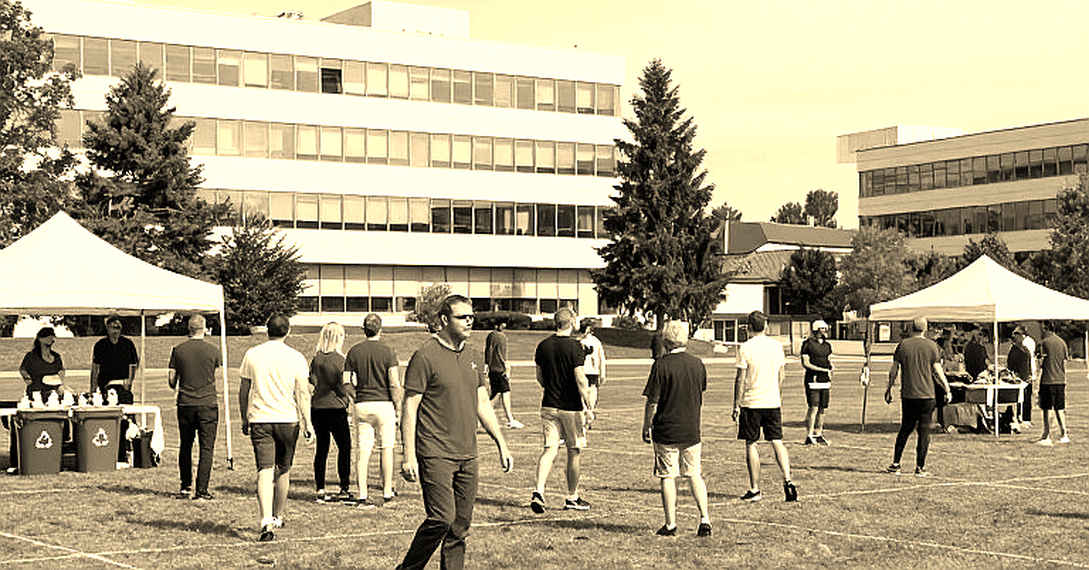
The story began at PUBG Asia Stars 2026, an event KRAFTON organised with an exchange-oriented, cross-regional framing. During the competition, KRAFTON confirmed that two Vietnamese players, Himass and TanVuu, had used information from outside the match. More precisely: they watched streams while competing.
KRAFTON then revoked both players' "PUBG Vietnam Partner" status. That is a commercial sanction, not a competitive one. It strips collaboration rights, revenue-share privileges, and access to the publisher's official programmes.
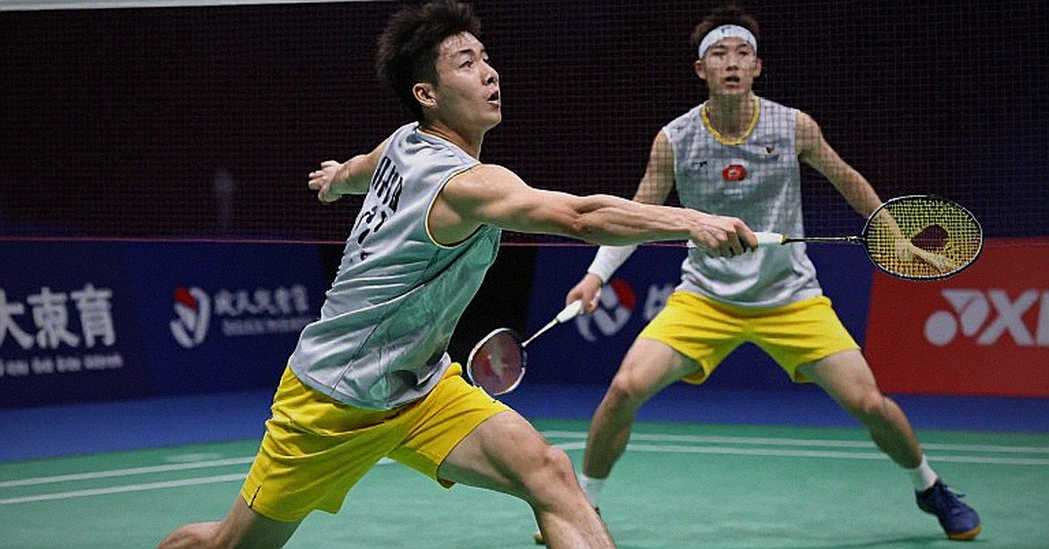
In parallel, the Vietnamese community turned the question around. A Korean female streamer, Soopi, was suspected of stream sniping — using a live broadcast to obtain information about opponents. That suspicion has never been confirmed.
In the same period, Yoon Soo-jin, head of PUBG Publishing at KRAFTON, issued a public apology. He admitted three things: KRAFTON did not establish clear regulations from the start, information communication between languages was inconsistent, and the publisher failed to adequately protect participants once the story began to spread.
The community judged that apology unsatisfactory. The disciplinary process is still ongoing. No official penalty level has been announced.
I want to anchor on one point: the apology admitted fault without settling anything. No new standard was published. There was only a vacuum, and a vacuum is always filled by whatever arrives easiest.
That is why an unverified rumour carries more weight than a signed statement.
In PUBG, this is a structural vulnerability. Battle royale is a genre where a match unfolds across a large map with dozens of teams at once, and broadcast delay is the only barrier against outside-information advantage. No patch fixes that. It lives in the architecture of the game, not in the code.
Put another way, this risk is permanent. It can only be governed, never eliminated. And governance is precisely where KRAFTON failed.
When a publisher simultaneously writes the rules, conducts the investigation, and holds a commercial stake in the very tournament in question, every ruling stands on a tilted foundation. There is no independent arbiter. There is no neutral appeals mechanism. There is one party issuing conclusions, and one party required to accept them.
The crux is not the severity of the sentence, but the moment the rules were written. When rules are written after the fact, any penalty — heavy or light — can be challenged as retroactive. Nobody is arguing about whether Himass violated the rules. KRAFTON confirmed it, and the player did not deny it. People are arguing about whether any standard existed beforehand that told him he was breaking one.
The players' side raised one notable detail: before the match, they say they asked whether watching streams was prohibited and were told it was not. If that detail is verified, the centre of responsibility shifts — from the player to the organiser.
I do not have enough data to assert that it is true. But I have enough data to assert something else: KRAFTON admits it had no clear regulations from the start. And when a publisher admits that with its own mouth, it opens the door to every doubt about the legitimacy of the penalty it is about to hand down.
Then comes the asymmetry.
Himass and TanVuu are confirmed to have violated the rules, have had partner status revoked, and have absorbed a concrete commercial loss. Soopi is under suspicion and, to date, no official conclusion has been reached. One side has paid. One side stands untouched.
Procedurally, this is entirely explicable. Confirmation and suspicion are two different evidentiary thresholds. No one deserves conviction on the strength of a questionable video alone.
But as communication, this is a failure. In the community's eyes, the distinction between "confirmed" and "unconfirmed" is swallowed by a larger question: why has one side already been punished while the other is met with silence?
And once that question is not answered in an official document, it will be answered by speculation. Speculation carries no obligation to be accurate.
I have to say plainly something few people want to hear right now.
There are no heroes in this story.
Himass and TanVuu violated the rules. KRAFTON confirmed it, and they did not deny it. Losing partner status is a direct consequence of that conduct. If we turn them into pure symbols of injustice, we erase the very act that set this whole story in motion. I write about losers, but I do not write about the innocent.
There is a version of this story circulating in which KRAFTON is the oppressor and the Vietnamese players are absolute victims. That version is comfortable. It allows people to be angry with justification. But it skips a dry detail: this was an exchange-oriented event, and precisely because it was, watching streams is harder to justify with "we didn't know the rules."
Conversely, there is another version in which everything is a reasonable process and the community is merely overreacting. That version is also wrong. It ignores that the publisher itself admitted having no rules from the start, and ignores that cross-language communication broke down at the most tense moment.
The truth sits in the middle, and the middle has no hashtag.
What worries me is not that the community is angry. What worries me is that the anger rests on a detail nobody has confirmed. The most frightening silence is not a cancelled tournament; it is when no one wants to tell the story of how they played.
Based on my experience covering matches over the years, I have learned that credibility in esports is not built by what a publisher announces, but by what it lets people see.
What I carry away from this story is not Himass's sentence, nor Soopi's career. What I carry away is that three-in-the-morning internet cafe, where an eighteen-year-old with shaking hands closed a stream window and wondered whether he had done something wrong.
Esports grows up through incidents like this, not through trophies. Every time a publisher admits it had no rules, the industry learns that rules must be written before the money is placed on the table.
KRAFTON can save this story, but not with a second apology. It must publish an integrity standard for coming events, disclose its conclusion on Soopi regardless of the outcome, and accept that a publisher's credibility is not built by ruling correctly, but by letting people see how it rules.
I once scribbled a player's name by the light of a computer screen at 3 a.m., afraid that one day that name would vanish from the standings.
As for me, I will keep sitting in internet cafes like that, recording what never makes it into the official record. Because once the rules are written after the match has ended, the only guaranteed loser is the person who believed he was competing fairly.